
Maximizing Energy Efficiency: The Role of a 15KW Micro-Grid in Homes
Maximizing Energy Efficiency: The Role of a 15KW Micro-Grid in Homes Table of Contents Introduction to Energy Efficiency in Homes Understanding Micro-Grids: What They Are and How They Work Benefits of Implementing a 15KW Micro-Grid in Your Home Key Components of a 15KW Micro-Grid Installation Process for a 15KW Micro-Grid Cost Analysis: Is a 15KW Micro-Grid Worth the I
Jan 21,2026
Maximizing Energy Efficiency: The Role of a 15KW Micro-Grid in Homes
Table of Contents
- Introduction to Energy Efficiency in Homes
- Understanding Micro-Grids: What They Are and How They Work
- Benefits of Implementing a 15KW Micro-Grid in Your Home
- Key Components of a 15KW Micro-Grid
- Installation Process for a 15KW Micro-Grid
- Cost Analysis: Is a 15KW Micro-Grid Worth the Investment?
- Long-Term Benefits of a 15KW Micro-Grid
- The Future of Energy Efficiency in Homes
- Frequently Asked Questions (FAQs)
- Conclusion: Embracing Energy Efficiency with a 15KW Micro-Grid
Introduction to Energy Efficiency in Homes
In today’s world, **energy efficiency** has emerged as a crucial aspect of modern living. As households continue to seek ways to reduce energy consumption and minimize bills, innovative solutions like the **15KW micro-grid** are becoming increasingly popular. This technology not only enhances energy efficiency but also promotes sustainability, making it a significant investment for homeowners committed to reducing their environmental footprint.
Understanding Micro-Grids: What They Are and How They Work
A **micro-grid** is essentially a localized grid that can operate independently or in conjunction with the main power grid. These systems are designed to improve energy reliability and sustainability, offering a flexible solution for energy generation, distribution, and consumption.
A **15KW micro-grid** specifically refers to a system capable of generating up to 15 kilowatts of power, enough to support typical household energy needs, including lighting, heating, and powering appliances. By utilizing renewable energy sources such as solar panels and wind turbines, a micro-grid can significantly reduce dependence on traditional energy sources.
How Micro-Grids Operate
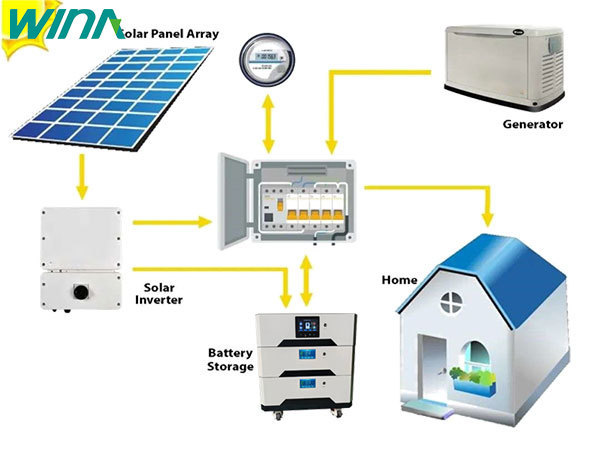
Micro-grids operate through a combination of **energy generation**, **storage**, and **management systems**. The core components include:
- **Renewable Energy Generators**: Solar panels and wind turbines convert natural energy into electricity.
- **Energy Storage Systems**: Batteries store excess energy for use when generation is low.
- **Control Systems**: Smart technology manages energy flow, ensuring that the system operates efficiently and reliably.
With these components working together, a 15KW micro-grid can optimize energy usage, allowing homeowners to generate their own electricity and reduce reliance on the main grid.
Benefits of Implementing a 15KW Micro-Grid in Your Home
Integrating a **15KW micro-grid** into your home offers numerous benefits, making it an attractive option for homeowners looking to enhance energy efficiency.
1. Cost Savings
One of the most compelling reasons to consider a micro-grid is the potential for significant **cost savings**. By generating your own electricity, you can reduce or even eliminate your electricity bills. Moreover, government incentives and tax credits for renewable energy installations further enhance the financial appeal.
2. Energy Independence
A micro-grid grants homeowners a level of **energy independence**. In times of grid failure or natural disasters, your micro-grid can continue to supply power, ensuring that essential systems remain operational.
3. Environmental Benefits
Utilizing renewable energy sources contributes to a reduction in carbon emissions, supporting the global movement towards sustainability. With a **15KW micro-grid**, homeowners can significantly lower their environmental impact.
4. Increased Property Value
Homes equipped with energy-efficient technologies, including micro-grids, often experience an increase in property value. As more buyers prioritize sustainability, having a micro-grid can make your home more attractive in the market.
5. Enhanced Energy Reliability
Micro-grids can improve the overall **reliability** of energy supply. By diversifying energy sources and utilizing battery storage, these systems can ensure a steady power supply even during peak demand.
Key Components of a 15KW Micro-Grid
To effectively implement a **15KW micro-grid**, several key components must work seamlessly together. Understanding these components is critical for optimal performance and efficiency.
1. Solar Panels
Solar panels are the primary source of energy generation in most micro-grid systems. They convert sunlight into electricity and are essential for harnessing renewable energy.
2. Batteries
**Batteries** store excess energy generated during peak sunlight hours. This stored energy can be used when production is low, such as during nighttime or cloudy days, ensuring a continuous power supply.
3. Inverters
Inverters convert the direct current (DC) generated by solar panels into alternating current (AC), which is used by most household appliances. They play a crucial role in ensuring compatibility with home energy systems.
4. Smart Energy Management System
A **smart energy management system** monitors energy production, consumption, and storage. It optimizes the use of energy resources, ensuring that the micro-grid operates efficiently and cost-effectively.
5. Generators
While not always necessary, some micro-grids include backup generators to ensure power supply during prolonged periods of low renewable energy production.
Installation Process for a 15KW Micro-Grid
Implementing a **15KW micro-grid** requires careful planning and execution. The installation process typically involves several key steps:
1. Assessment and Planning
Before installation, a thorough assessment of your home’s energy needs and site conditions is essential. This includes evaluating the available space for solar panels and determining the appropriate battery storage capacity.
2. System Design
An energy expert will design the micro-grid system tailored to your specific requirements. This design will include the layout of solar panels, battery placement, and the integration of control systems.
3. Permitting and Approvals
Obtaining necessary permits and approvals from local authorities is a crucial step in the installation process. This ensures compliance with safety regulations and standards.
4. Installation
Once all approvals are in place, the installation of solar panels, batteries, inverters, and management systems can commence. Professional installation is recommended to ensure system integrity and safety.
5. Testing and Commissioning
After installation, the system undergoes rigorous testing to ensure all components function harmoniously. This step is vital to confirm that the micro-grid operates as intended.
Cost Analysis: Is a 15KW Micro-Grid Worth the Investment?
Evaluating the cost of a **15KW micro-grid** involves considering various factors, including installation costs, financing options, and potential savings.
1. Initial Investment
The upfront cost of installing a micro-grid can vary significantly based on location, system design, and energy needs. However, government incentives and financing options can alleviate the financial burden.
2. Long-Term Savings
Homeowners can experience substantial savings on energy bills over time. With the ability to generate and store their own energy, many find that the **return on investment (ROI)** is highly favorable.
3. Value Appreciation
Investing in a micro-grid can increase your home’s market value, making it an attractive proposition for prospective buyers who prioritize energy efficiency and sustainability.
Long-Term Benefits of a 15KW Micro-Grid
The advantages of a **15KW micro-grid** extend beyond immediate cost savings and energy independence. Long-term benefits include:
1. Resilience Against Energy Price Fluctuations
As energy prices continue to rise, having a micro-grid can protect homeowners from unexpected increases in utility costs.
2. Sustainable Living
A micro-grid facilitates a lifestyle rooted in sustainability, empowering homeowners to reduce their carbon footprint and promote renewable energy use.
3. Technological Advancements
As energy technology evolves, micro-grids can be upgraded with new features and enhancements, ensuring that your home remains at the forefront of energy efficiency.
The Future of Energy Efficiency in Homes
The adoption of micro-grid technology is expected to grow as more homeowners recognize the benefits of energy efficiency. Future trends may include:
1. Increased Integration with Smart Home Technologies
Micro-grids will increasingly integrate with smart home systems, allowing for enhanced monitoring and control of energy consumption.
2. Advances in Energy Storage Solutions
Innovations in battery technology will continue to improve energy storage capabilities, making micro-grids more efficient and reliable.
3. Policy Support for Renewable Energy
As governments worldwide push for renewable energy adoption, favorable policies and incentives will likely increase the appeal of micro-grids for residential use.
Frequently Asked Questions (FAQs)
1. What is a micro-grid?
A micro-grid is a localized energy system that can operate independently or in conjunction with a larger grid, allowing for self-sufficient energy generation and consumption.
2. How does a 15KW micro-grid work?
A 15KW micro-grid generates electricity primarily from renewable sources, stores excess energy in batteries, and manages energy flow to meet household needs.
3. What are the installation costs associated with a 15KW micro-grid?
Installation costs vary based on location, energy needs, and system design, but they generally range from $15,000 to $30,000 before incentives.
4. Can a micro-grid provide backup power during outages?
Yes, micro-grids can provide backup power during outages, ensuring that essential systems continue to operate.
5. How long does it take to install a 15KW micro-grid?
The installation process typically takes a few weeks, including assessment, design, permitting, and actual installation.
Conclusion: Embracing Energy Efficiency with a 15KW Micro-Grid
In conclusion, the integration of a **15KW micro-grid** in homes represents a significant advancement in energy efficiency and sustainability. From cost savings and energy independence to environmental benefits and increased property value, the advantages of adopting this technology are compelling. As energy demands grow and traditional power sources become less reliable, embracing a micro-grid solution is a proactive step towards a sustainable future. Homeowners investing in this technology are not only enhancing their own living conditions but also contributing to a greener planet.
PREVIOUS:

Request Quote
Note: Please be sure to fill in the information accurately and keep communication open, we will get in touch with you as soon as possible