
The Environmental Impact of Upgrading to a 25.1kWh LiFePO4 Battery
The Environmental Impact of Upgrading to a 25.1kWh LiFePO4 Battery Table of Contents 1. Introduction to LiFePO4 Battery Technology 2. Benefits of Upgrading to a 25.1kWh LiFePO4 Battery 2.1 Enhanced Energy Density and Efficiency 2.2 Longevity and Stability 2.3 Safety Advantages 3. Environmental Benefits of LiFePO4 Batteries 3.1 Reduction of Carbon Footprint 3.2 Impact on Energy Resources 3.3 Recycl
May 09,2026
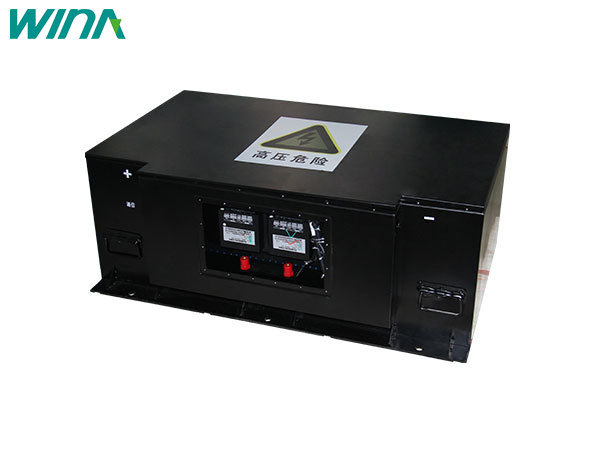
The Environmental Impact of Upgrading to a 25.1kWh LiFePO4 Battery
Table of Contents
1. Introduction to LiFePO4 Battery Technology
2. Benefits of Upgrading to a 25.1kWh LiFePO4 Battery
2.1 Enhanced Energy Density and Efficiency
2.2 Longevity and Stability
2.3 Safety Advantages
3. Environmental Benefits of LiFePO4 Batteries
3.1 Reduction of Carbon Footprint
3.2 Impact on Energy Resources
3.3 Recycling and End-of-Life Management
4. Life Cycle Assessment of LiFePO4 Batteries
4.1 Raw Material Sourcing
4.2 Manufacturing Process
4.3 Usage Phase
4.4 End-of-Life Considerations
5. Future Prospects of LiFePO4 Battery Technology
5.1 Innovations in Battery Design
5.2 The Role of Policy and Regulation
6. FAQs on LiFePO4 Batteries
7. Conclusion
1. Introduction to LiFePO4 Battery Technology
The growing demand for sustainable energy solutions has led to significant advancements in battery technology, notably the emergence of lithium iron phosphate (LiFePO4) batteries. Distinguished for their **safety, thermal stability, and long life cycle**, these batteries are increasingly being integrated into various applications, from electric vehicles to solar energy storage systems.
Upgrading to a **25.1kWh LiFePO4 battery** presents a compelling opportunity for individuals and businesses alike to minimize their environmental impact while enhancing energy efficiency. This article will explore the numerous benefits, environmental implications, and future prospects of adopting this advanced battery technology.
2. Benefits of Upgrading to a 25.1kWh LiFePO4 Battery
Transitioning to a **25.1kWh LiFePO4 battery** offers multiple advantages, particularly in terms of efficiency and sustainability. The following sections highlight these benefits in detail.
2.1 Enhanced Energy Density and Efficiency
LiFePO4 batteries provide a higher energy density compared to conventional lead-acid batteries, which means they can store more energy in a smaller footprint. This characteristic allows users to maximize their energy output and better utilize available space, which is especially beneficial in residential and commercial applications.
Moreover, the efficiency of LiFePO4 batteries during charge and discharge cycles is notably superior. With **round-trip efficiencies** reaching up to 95%, users can expect reduced energy losses, translating into lower operational costs.
2.2 Longevity and Stability
One of the standout features of LiFePO4 technology is its impressive longevity. With a lifespan exceeding 4000 charge cycles, these batteries outlast traditional alternatives significantly. This durability not only ensures reliable performance over time but also minimizes the need for frequent replacements, thus reducing waste and environmental impact.
In addition, LiFePO4 batteries are recognized for their exceptional thermal stability. They can operate effectively across a wide temperature range, making them suitable for diverse environmental conditions without the risk of thermal runaway—a common concern with other lithium-ion technologies.
2.3 Safety Advantages
Safety is paramount in energy storage solutions. LiFePO4 batteries are inherently safer due to their stable chemical composition. Unlike other lithium-ion batteries, they are less prone to overheating or catching fire. This safety profile makes them an attractive option for both residential and commercial applications, where fire risk is a significant concern.
3. Environmental Benefits of LiFePO4 Batteries
The environmental advantages of upgrading to a **25.1kWh LiFePO4 battery** extend beyond personal benefits, playing a vital role in mitigating climate change and promoting sustainability.
3.1 Reduction of Carbon Footprint
Using LiFePO4 batteries helps decrease greenhouse gas emissions, particularly when paired with renewable energy sources like solar or wind. By optimizing the use of clean energy, users effectively reduce their reliance on fossil fuels, contributing to a lower carbon footprint.
Moreover, **the shift to electric vehicles** powered by LiFePO4 batteries further supports carbon reduction efforts. This transition plays a crucial role in global initiatives aimed at achieving net-zero emissions.
3.2 Impact on Energy Resources
LiFePO4 batteries enhance the efficiency of energy systems, allowing for better integration of intermittent renewable energy sources. This efficiency means that less energy needs to be generated from fossil fuel sources, further bolstering sustainable practices and reducing resource depletion.
The availability of energy storage also facilitates **grid stability**, allowing for a smoother transition to renewable sources and minimizing energy waste.
3.3 Recycling and End-of-Life Management
An essential aspect of battery technology is end-of-life management. LiFePO4 batteries are easier to recycle compared to traditional batteries. Their materials can be repurposed in manufacturing new batteries or other products, thereby reducing landfill waste and conserving natural resources.
Companies specializing in battery recycling are increasingly focusing on efficient processes to reclaim valuable materials from LiFePO4 batteries, contributing to a circular economy model.
4. Life Cycle Assessment of LiFePO4 Batteries
Understanding the environmental impact of a **25.1kWh LiFePO4 battery** necessitates a thorough life cycle assessment (LCA), which evaluates the environmental effects of a product throughout its life cycle—from raw material extraction to disposal.
4.1 Raw Material Sourcing
The initial stage of the life cycle involves the extraction of raw materials necessary for battery production. LiFePO4 utilizes abundant resources, such as iron and phosphate, which are less environmentally harmful to extract compared to lithium, cobalt, and nickel used in other lithium-ion batteries.
Responsible sourcing practices can further mitigate environmental impacts and promote sustainable mining practices.
4.2 Manufacturing Process
The manufacturing phase of LiFePO4 batteries typically employs lower energy-intensive processes compared to other lithium-ion technologies. As the industry moves towards greener production methods, the overall environmental footprint of battery manufacturing continues to decrease.
Growing investment in sustainable manufacturing technologies emphasizes energy efficiency, waste reduction, and the use of renewable energy sources.
4.3 Usage Phase
During the usage phase, LiFePO4 batteries demonstrate superior performance and efficiency. Their long life span not only minimizes the frequency of replacements but also reflects on the overall energy savings during operation.
Adoption in various applications, including solar energy storage, further enhances their impact by promoting renewable energy utilization.
4.4 End-of-Life Considerations
As with all products, the final stage of a battery’s life cycle is crucial. The recyclability of LiFePO4 batteries significantly reduces their environmental impact post-usage. Effective recycling programs can recover essential materials, thereby closing the loop on resource use and minimizing waste.
5. Future Prospects of LiFePO4 Battery Technology
The future of LiFePO4 battery technology looks promising, characterized by continuous innovation and growing adoption across various sectors.
5.1 Innovations in Battery Design
Research and development in battery technologies are ongoing, with a focus on enhancing energy density, reducing costs, and improving overall performance. Innovations in cell design and chemistry will likely drive the next generation of LiFePO4 batteries, making them even more efficient and sustainable.
5.2 The Role of Policy and Regulation
Government policies and regulations play a crucial role in the adoption of sustainable technologies. Incentives for renewable energy and energy storage systems will encourage wider use of LiFePO4 batteries, benefiting both consumers and the environment.
6. FAQs on LiFePO4 Batteries
1. What is a LiFePO4 battery?
LiFePO4, or lithium iron phosphate, is a type of lithium-ion battery known for its safety, long life, and thermal stability. It is commonly used in renewable energy storage and electric vehicles.
2. How long does a LiFePO4 battery last?
A LiFePO4 battery typically lasts over 4000 charge cycles, which can translate to 10 years or more, depending on usage and maintenance.
3. Are LiFePO4 batteries safe?
Yes, LiFePO4 batteries are considered safe due to their stable chemistry, which reduces the risk of overheating and thermal runaway.
4. Can LiFePO4 batteries be recycled?
Yes, LiFePO4 batteries are recyclable, and their materials can be repurposed for new battery production or other applications, contributing to sustainability.
5. What are the advantages of upgrading to a 25.1kWh LiFePO4 battery?
Upgrading offers enhanced energy efficiency, longevity, safety, and a reduced environmental footprint, making it a smart choice for both residential and commercial applications.
7. Conclusion
Upgrading to a **25.1kWh LiFePO4 battery** presents a multitude of benefits, both from a performance and environmental perspective. By enhancing energy efficiency and promoting sustainability, this advanced battery technology not only supports individual energy goals but also contributes significantly to global efforts in reducing carbon emissions and promoting a greener future. As technology advances and the demand for sustainable energy solutions increases, the role of LiFePO4 batteries is expected to grow, paving the way for a cleaner and more sustainable world.

Request Quote
Note: Please be sure to fill in the information accurately and keep communication open, we will get in touch with you as soon as possible