
Understanding the Benefits and Features of the 23.5kWh LiFePO4 EV Battery
The 23.5kWh LiFePO4 EV battery represents a significant advancement in battery technology, particularly in the realm of electric vehicles (EVs). Lithium Iron Phosphate (LiFePO4) batteries are known for their exceptional thermal stability, safety, and longevity, making them an ideal choice for EV applications. One of the key benefits of the 23.5kWh LiFePO4 battery is its impressive cycle life. Unl
May 11,2026
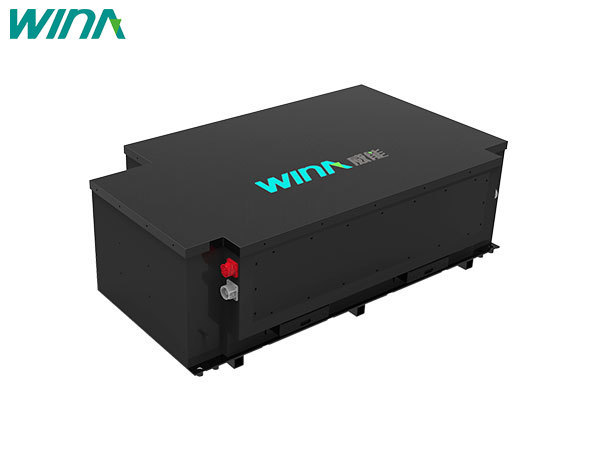
The 23.5kWh LiFePO4 EV battery represents a significant advancement in battery technology, particularly in the realm of electric vehicles (EVs). Lithium Iron Phosphate (LiFePO4) batteries are known for their exceptional thermal stability, safety, and longevity, making them an ideal choice for EV applications.
One of the key benefits of the 23.5kWh LiFePO4 battery is its impressive cycle life. Unlike traditional lithium-ion batteries, which may degrade after a few hundred charge cycles, LiFePO4 batteries can typically endure thousands of cycles. This means that an EV equipped with a 23.5kWh LiFePO4 battery can maintain its performance over many years, resulting in lower long-term costs for consumers.
Safety is another critical area where the 23.5kWh LiFePO4 EV battery excels. Due to its chemical composition, it is less prone to thermal runaway—a phenomenon where a battery overheats and can catch fire. This inherent safety makes LiFePO4 batteries a preferred choice for manufacturers looking to instill confidence in their electric vehicle offerings. As the EV market grows, safety remains a top priority for consumers, and the 23.5kWh LiFePO4 battery addresses these concerns effectively.
In terms of performance, the 23.5kWh capacity strikes an excellent balance between range and weight. While it may not provide the same range as larger battery packs, it offers sufficient power for urban driving and daily commutes. The compact size of the 23.5kWh LiFePO4 battery allows for more design flexibility in EVs, enabling manufacturers to create lighter and more efficient vehicles.
Additionally, the energy density of LiFePO4 batteries is noteworthy. They can store a significant amount of energy relative to their volume and weight, which is crucial for optimizing the performance of electric vehicles. Greater energy density not only enhances vehicle range but also improves the overall driving experience by providing consistent power delivery.
Moreover, the environmental impact of the 23.5kWh LiFePO4 battery is generally favorable. LiFePO4 is composed of non-toxic materials, making it less harmful to the environment than some other battery technologies. As sustainability continues to be a pressing concern globally, using batteries like the 23.5kWh LiFePO4 in electric vehicles can contribute to a greener future.
In conclusion, the 23.5kWh LiFePO4 EV battery offers numerous advantages, including extended cycle life, enhanced safety, balanced performance, and a positive environmental impact. As consumers and manufacturers continue to prioritize these attributes, LiFePO4 technology is poised to play a pivotal role in the evolution of electric vehicles. Embracing this battery type can lead to more reliable, safe, and efficient EV options in the market.
PREVIOUS:

Request Quote
Note: Please be sure to fill in the information accurately and keep communication open, we will get in touch with you as soon as possible