
A Beginner's Guide to Understanding 15KW Micro-Grid Systems: Harnessing the Power of Decentralized Energy
A Beginner's Guide to Understanding 15KW Micro-Grid Systems: Harnessing the Power of Decentralized Energy Table of Contents What is a Micro-Grid System? The Importance of Micro-Grid Systems Overview of 15KW Micro-Grid Systems Key Components of 15KW Micro-Grids Benefits of 15KW Micro-Grid Systems Setting Up a 15KW Micro-Grid System Challenges in Implementing Micro-Grid
May 21,2026
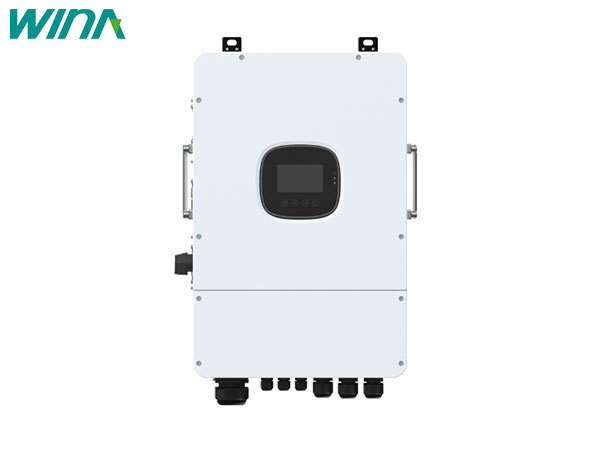
A Beginner's Guide to Understanding 15KW Micro-Grid Systems: Harnessing the Power of Decentralized Energy
Table of Contents
- What is a Micro-Grid System?
- The Importance of Micro-Grid Systems
- Overview of 15KW Micro-Grid Systems
- Key Components of 15KW Micro-Grids
- Benefits of 15KW Micro-Grid Systems
- Setting Up a 15KW Micro-Grid System
- Challenges in Implementing Micro-Grid Systems
- The Future of Micro-Grid Systems
- Frequently Asked Questions
What is a Micro-Grid System?
A micro-grid system is a localized energy system that can operate independently or in conjunction with the main electrical grid. It typically consists of various energy sources, including renewable energy sources such as solar panels, wind turbines, and energy storage systems like batteries. This decentralized approach allows for greater control over energy generation and consumption, making it especially useful in remote areas or during emergencies.
The Importance of Micro-Grid Systems
Micro-grid systems are crucial in today's energy landscape for several reasons:
- Energy Resilience: Micro-grids can provide reliable energy during grid outages, enhancing community resilience.
- Cost Efficiency: By utilizing local energy resources, communities can reduce dependency on expensive fossil fuels.
- Environmental Impact: Micro-grids promote the use of renewable energy, significantly lowering carbon footprints and fostering sustainable development.
Overview of 15KW Micro-Grid Systems
A 15KW micro-grid system is designed to produce and manage up to 15 kilowatts of power. This capacity is ideal for small communities, commercial establishments, or residential applications that require a reliable and efficient energy supply. It typically integrates renewable energy sources, energy storage systems, and advanced energy management systems for optimal performance.
Key Components of 15KW Micro-Grids
Understanding the components that make up a 15KW micro-grid system is essential for grasping its functionality. The key components include:
1. Renewable Energy Sources
These are the backbone of any micro-grid, providing sustainable energy. Common sources include:
- Solar Panels: Convert sunlight into electricity.
- Wind Turbines: Harness wind energy to generate power.
- Biomass Generators: Utilize organic materials for energy production.
2. Energy Storage Systems
Energy storage systems, primarily batteries, store excess energy generated during peak production times. They are crucial for ensuring a steady energy supply during periods of low generation.
3. Energy Management System (EMS)
An EMS controls the flow of electricity within the micro-grid, balancing supply and demand while optimizing the use of renewable sources and storage.
4. Grid Connection Infrastructure
This includes the technology required to connect the micro-grid to the main electrical grid, allowing for energy exchange as needed.
Benefits of 15KW Micro-Grid Systems
Implementing a 15KW micro-grid system comes with a range of benefits:
1. Enhanced Energy Independence
Communities can reduce their reliance on external energy sources, leading to greater autonomy and control over their energy supply.
2. Cost Savings
By producing energy locally, users can significantly lower their energy bills and minimize transmission costs associated with grid electricity.
3. Environmental Sustainability
Micro-grids support the transition to renewable energy, helping to mitigate climate change and promote sustainable practices.
4. Improved Reliability
In areas prone to outages, micro-grids can provide a reliable energy source, thereby enhancing overall energy security.
Setting Up a 15KW Micro-Grid System
Establishing a 15KW micro-grid system involves several steps:
1. Conduct a Feasibility Study
Assess the energy needs, available resources, and potential challenges to determine if a micro-grid is a viable solution.
2. Choose the Right Technology
Select suitable renewable energy sources, energy storage solutions, and EMS technology based on the specific needs and conditions.
3. Design the Micro-Grid Layout
Map out the connections between different components, ensuring efficient energy flow and management.
4. Installation and Commissioning
Work with experienced professionals to install the system, followed by a thorough testing phase to ensure optimal performance.
Challenges in Implementing Micro-Grid Systems
While micro-grids offer numerous benefits, several challenges can hinder their implementation:
1. Regulatory Hurdles
Navigating local regulations and obtaining necessary permits can be complex and time-consuming.
2. Initial Capital Costs
The upfront investment for installing a micro-grid system can be significant, though it often pays off in the long term.
3. Technological Complexity
Integrating various technologies and ensuring they work seamlessly together can be a challenging process, requiring specialized knowledge.
The Future of Micro-Grid Systems
The future of micro-grid systems is promising, with advancements in technology and growing awareness of sustainable energy solutions. Trends to watch include:
1. Increased Adoption of Renewable Energy
As technology improves and costs decrease, the use of renewable energy sources within micro-grids will likely expand, further enhancing their sustainability.
2. Smart Grid Integration
Future micro-grids will increasingly integrate with smart grid technology, utilizing data analytics and IoT devices for better energy management.
3. Policy and Incentives
Governments are likely to introduce more supportive policies and incentives to encourage the adoption of micro-grid systems, making them more accessible for communities.
Frequently Asked Questions
1. What is the primary purpose of a micro-grid system?
The main purpose of a micro-grid system is to provide localized energy generation and management, enhancing energy independence and resilience.
2. Can a micro-grid operate independently from the main grid?
Yes, micro-grids can function autonomously during grid outages, ensuring a continuous power supply.
3. What types of renewable energy sources can be used in a 15KW micro-grid?
Common sources include solar panels, wind turbines, and biomass systems.
4. How can I determine if a micro-grid is suitable for my community?
A feasibility study can help assess energy needs, available resources, and potential challenges to determine the suitability of a micro-grid.
5. What are the long-term financial benefits of implementing a micro-grid system?
Long-term benefits can include reduced energy bills, lower transmission costs, and potential revenue generation from selling excess energy back to the grid.
Conclusion
Understanding 15KW micro-grid systems is essential for anyone interested in the future of energy. These systems represent a shift towards more sustainable, resilient, and locally-managed energy solutions. By harnessing renewable resources and utilizing advanced technology, micro-grids empower communities to take control of their energy needs while contributing to a greener future. As we move forward, the potential for micro-grid systems will only continue to grow, making them a vital component in the transition towards sustainable energy.

Request Quote
Note: Please be sure to fill in the information accurately and keep communication open, we will get in touch with you as soon as possible