
The Technical Aspects of Setting Up a 15KW Micro-Grid in Your Residence
The Technical Aspects of Setting Up a 15KW Micro-Grid in Your Residence In today's world, the increasing demand for energy, coupled with the rising costs of conventional electricity, has propelled many homeowners to consider alternative energy solutions. A 15KW micro-grid is an effective way to achieve energy independence while utilizing renewable resources. This extensive guide provides a detaile
Oct 09,2026
The Technical Aspects of Setting Up a 15KW Micro-Grid in Your Residence
In today's world, the increasing demand for energy, coupled with the rising costs of conventional electricity, has propelled many homeowners to consider alternative energy solutions. A 15KW micro-grid is an effective way to achieve energy independence while utilizing renewable resources. This extensive guide provides a detailed overview of the technical aspects of setting up a micro-grid in your residence, covering everything from planning and components to installation and maintenance. Let's embark on this journey toward sustainable energy.
Table of Contents
- 1. Introduction to Microgrids
- 2. Benefits of a 15KW Micro-Grid
- 3. Components of a 15KW Micro-Grid
- 4. Planning Your Micro-Grid Setup
- 5. Installation Process for a Micro-Grid
- 6. Regulatory Compliance and Licensing
- 7. Maintenance of Your Micro-Grid
- 8. The Future of Micro-Grids
- 9. FAQs About Micro-Grids
- 10. Conclusion
1. Introduction to Microgrids
A micro-grid is a localized energy system that can operate independently or in conjunction with the traditional grid. It consists of various energy resources, including solar panels, wind turbines, batteries, and generators. The key aspect of a micro-grid is its ability to generate, store, and distribute electricity within a limited geographical area, providing enhanced energy security and resilience.
The Importance of Microgrids in Energy Transition
As renewable energy sources gain traction, micro-grids play a crucial role in the transition to a sustainable energy future. They provide an opportunity for homeowners to harness local renewable resources, reduce carbon footprints, and increase energy resilience against outages.
2. Benefits of a 15KW Micro-Grid
Investing in a 15KW micro-grid offers numerous advantages:
- Energy Independence: Generate your own electricity, reducing reliance on the utility grid.
- Cost Savings: Lower energy bills and potential earnings from selling excess energy back to the grid.
- Environmental Impact: Decrease your carbon footprint by utilizing renewable energy sources.
- Energy Resilience: Maintain power during outages and enhance the reliability of your energy supply.
Financial Incentives for Micro-Grid Installation
Many governments and organizations offer financial incentives for installing renewable energy systems. Tax credits, rebates, and grants can significantly reduce the initial investment required for setting up a micro-grid, making it a more attractive option for homeowners.
3. Components of a 15KW Micro-Grid
Understanding the key components of a micro-grid is essential for its successful implementation. A typical 15KW micro-grid consists of the following:
Solar Panels
Solar panels convert sunlight into electricity, making them the backbone of most micro-grid systems. The efficiency of solar panels can vary, so selecting high-quality panels is crucial for optimal energy production.
Batteries
Batteries store excess energy generated by solar panels and provide power when demand exceeds production. Lithium-ion batteries are popular for their high energy density and longevity.
Inverter
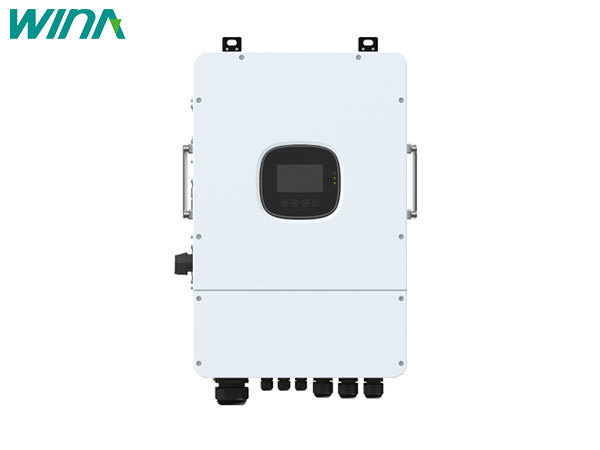
An inverter converts direct current (DC) from solar panels and batteries into alternating current (AC), which is suitable for household appliances. Advanced inverters can also manage energy flow and ensure system stability.
Control System
A control system monitors and manages energy production, storage, and consumption. It optimizes the performance of the micro-grid and helps in decision-making for energy usage.
Backup Generator
In case of extended periods of low solar production, a backup generator ensures a continuous power supply. This component is critical for maintaining energy resilience.
4. Planning Your Micro-Grid Setup
Proper planning is essential for a successful micro-grid installation. Here are the critical steps to consider:
Assessing Your Energy Needs
Start by evaluating your current energy consumption. Analyze your utility bills to determine peak usage times and identify essential loads that must be powered during outages.
Site Assessment
Conduct a thorough assessment of your property. Factors such as roof orientation, shading, and available space for solar panels and batteries will influence the design of your micro-grid.
Selecting the Right Components
Choose components based on your energy needs and site assessment. Consult with professionals to ensure that the selected solar panels, batteries, and inverters meet your specific requirements.
Budgeting for Your Micro-Grid
Develop a comprehensive budget that includes the costs of equipment, installation, and any necessary permits or regulatory fees. Factor in potential financial incentives to reduce your overall investment.
5. Installation Process for a Micro-Grid
The installation of a micro-grid can be complex and generally involves several steps:
Hiring Qualified Professionals
Engaging certified electricians and solar installers is crucial for ensuring safety and compliance with local regulations. Their expertise will facilitate a smoother installation process.
Installation of Solar Panels
Solar panels should be installed at an optimal angle to maximize sunlight exposure. The installation must comply with local building codes and be securely mounted to withstand weather conditions.
Setting Up the Inverter and Batteries
The inverter should be installed in a location that is easily accessible for maintenance. Batteries must be housed in a temperature-controlled environment to ensure their longevity.
Connecting to the Electrical System
Connecting your micro-grid to your home's electrical system requires careful planning. This step must comply with local electrical codes and ensure safety measures are in place.
Testing the System
Once everything is installed, comprehensive testing is essential to ensure the system operates correctly. This includes checking the inverter, battery performance, and the overall energy management system.
6. Regulatory Compliance and Licensing
Setting up a micro-grid involves navigating various legal and regulatory requirements:
Understanding Local Regulations
Research local regulations regarding micro-grid installations, including zoning laws and building codes. Compliance is crucial to avoid potential fines or legal issues.
Permits and Inspections
Obtain the necessary permits before installation. Many jurisdictions require inspections during and after installation to ensure compliance with safety standards.
Interconnection Agreements
If you plan to connect your micro-grid to the utility grid, you may need to sign an interconnection agreement outlining the terms and conditions of your energy exchange.
7. Maintenance of Your Micro-Grid
Regular maintenance is essential for ensuring the longevity and efficiency of your micro-grid:
Routine Inspections
Conduct routine inspections of your solar panels, batteries, and inverters. Look for signs of wear, damage, or dirt accumulation that could hinder performance.
Cleaning Solar Panels
Keep solar panels clean to maximize energy production. Depending on your environment, a bi-annual cleaning may be necessary to remove dust, debris, or bird droppings.
Battery Maintenance
Monitor battery health regularly. Most lithium-ion batteries require minimal maintenance, but checking connections and ensuring proper storage conditions is vital.
Software Updates
Stay informed about software updates for your inverter and control system. Updates can enhance performance and add new features that improve energy management.
8. The Future of Micro-Grids
The future of micro-grids is promising as technology advances and the demand for sustainable energy solutions grows. We expect to see:
Innovative Energy Storage Solutions
New battery technologies and energy storage systems will improve energy management, allowing for greater efficiency and reduced costs.
Integration with Smart Home Technology
Micro-grids will increasingly integrate with smart home technology, enabling homeowners to optimize energy usage and automate energy management based on real-time data.
Community Micro-Grids
Community micro-grids will gain popularity, allowing neighborhoods to share resources, reduce costs, and enhance energy resilience collectively.
9. FAQs About Micro-Grids
What is the cost of setting up a 15KW micro-grid?
The cost can vary significantly based on components and installation. Generally, expect an investment between $20,000 to $40,000, depending on equipment quality and local labor costs.
Can I install a micro-grid myself?
While some homeowners may attempt DIY installations, it is advisable to hire professionals to ensure safety and compliance with local regulations.
How long does it take to install a micro-grid?
The installation timeframe can range from a few days to several weeks, depending on the complexity of the system and permitting processes.
What happens during a power outage?
Your micro-grid can provide power during outages if equipped with a backup generator and properly configured battery storage.
Are there tax credits available for micro-grid installations?
Yes, many governments offer tax credits and incentives for renewable energy installations, including micro-grids. Check with local authorities for available programs.
10. Conclusion
Setting up a 15KW micro-grid in your residence is a rewarding endeavor, providing energy independence and environmental benefits. Understanding the technical aspects, from components to installation and maintenance, is essential for achieving a successful setup. As we move towards a more sustainable future, micro-grids will play a pivotal role in transforming how we generate and consume energy. Embrace the opportunity to take control of your energy needs and contribute to a greener planet.
PREVIOUS:

Request Quote
Note: Please be sure to fill in the information accurately and keep communication open, we will get in touch with you as soon as possible