
Exploring the Advantages of High Capacity 3.2V 20Ah LiFePO4 Cells in Modern Energy Solutions
In the realm of batteries and energy storage, the High Capacity 3.2V 20Ah LiFePO4 cell stands out as an exceptional choice for modern energy solutions. Lithium Iron Phosphate (LiFePO4) technology has gained popularity due to its impressive safety profile, longevity, and efficiency compared to traditional lithium-ion batteries. One of the primary advantages of using a High Capacity 3.2V 20Ah LiFeP
Sep 17,2026
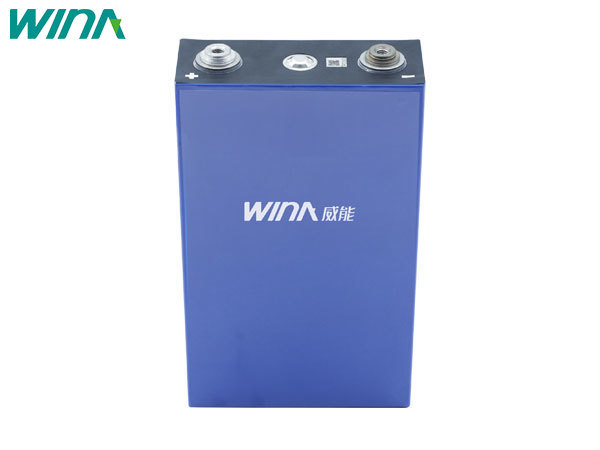
In the realm of batteries and energy storage, the High Capacity 3.2V 20Ah LiFePO4 cell stands out as an exceptional choice for modern energy solutions. Lithium Iron Phosphate (LiFePO4) technology has gained popularity due to its impressive safety profile, longevity, and efficiency compared to traditional lithium-ion batteries.
One of the primary advantages of using a High Capacity 3.2V 20Ah LiFePO4 cell is its remarkable cycle life. These cells can typically endure over 2,000 charge and discharge cycles, significantly outpacing other types of lithium batteries. This longevity translates into reduced replacement costs and lower environmental impact, making them a favored option for applications requiring reliable and sustainable energy sources.
Safety is another critical aspect where LiFePO4 cells excel. They are known for their thermal stability and low risk of thermal runaway, a common issue with conventional lithium-ion batteries. This intrinsic safety makes High Capacity 3.2V 20Ah LiFePO4 cells ideal for use in applications where high temperatures or potential short circuits could pose significant risks.
In terms of efficiency, LiFePO4 cells offer excellent charge/discharge rates, allowing for quick energy transfer without compromising performance. This capability is particularly beneficial for electric vehicles, renewable energy systems, and backup power supplies, where rapid energy delivery is crucial. The 3.2V nominal voltage of these cells aligns well with many energy applications, making integration seamless.
Furthermore, the environmental impact of High Capacity 3.2V 20Ah LiFePO4 cells is notably lower than that of other battery technologies. They do not contain harmful heavy metals or toxic substances, which contributes to a more sustainable approach to energy storage. As the world continues to focus on green technologies, the demand for eco-friendly battery solutions is on the rise, positioning LiFePO4 cells as a key player in this transition.
Another noteworthy feature of these cells is their performance across a wide temperature range. High Capacity 3.2V 20Ah LiFePO4 cells can operate effectively in extreme conditions, making them suitable for diverse applications from consumer electronics to renewable energy systems and beyond.
In conclusion, the High Capacity 3.2V 20Ah LiFePO4 cell embodies the future of battery technology with its blend of safety, longevity, efficiency, and sustainability. As industries continue to evolve and demand more reliable power solutions, these cells are likely to remain at the forefront, offering a compelling option for energy storage and management. Whether for personal use or industrial applications, understanding the benefits of LiFePO4 technology can help stakeholders make informed decisions in their energy strategies.
One of the primary advantages of using a High Capacity 3.2V 20Ah LiFePO4 cell is its remarkable cycle life. These cells can typically endure over 2,000 charge and discharge cycles, significantly outpacing other types of lithium batteries. This longevity translates into reduced replacement costs and lower environmental impact, making them a favored option for applications requiring reliable and sustainable energy sources.
Safety is another critical aspect where LiFePO4 cells excel. They are known for their thermal stability and low risk of thermal runaway, a common issue with conventional lithium-ion batteries. This intrinsic safety makes High Capacity 3.2V 20Ah LiFePO4 cells ideal for use in applications where high temperatures or potential short circuits could pose significant risks.
In terms of efficiency, LiFePO4 cells offer excellent charge/discharge rates, allowing for quick energy transfer without compromising performance. This capability is particularly beneficial for electric vehicles, renewable energy systems, and backup power supplies, where rapid energy delivery is crucial. The 3.2V nominal voltage of these cells aligns well with many energy applications, making integration seamless.
Furthermore, the environmental impact of High Capacity 3.2V 20Ah LiFePO4 cells is notably lower than that of other battery technologies. They do not contain harmful heavy metals or toxic substances, which contributes to a more sustainable approach to energy storage. As the world continues to focus on green technologies, the demand for eco-friendly battery solutions is on the rise, positioning LiFePO4 cells as a key player in this transition.
Another noteworthy feature of these cells is their performance across a wide temperature range. High Capacity 3.2V 20Ah LiFePO4 cells can operate effectively in extreme conditions, making them suitable for diverse applications from consumer electronics to renewable energy systems and beyond.
In conclusion, the High Capacity 3.2V 20Ah LiFePO4 cell embodies the future of battery technology with its blend of safety, longevity, efficiency, and sustainability. As industries continue to evolve and demand more reliable power solutions, these cells are likely to remain at the forefront, offering a compelling option for energy storage and management. Whether for personal use or industrial applications, understanding the benefits of LiFePO4 technology can help stakeholders make informed decisions in their energy strategies.
PREVIOUS:

Request Quote
Note: Please be sure to fill in the information accurately and keep communication open, we will get in touch with you as soon as possible